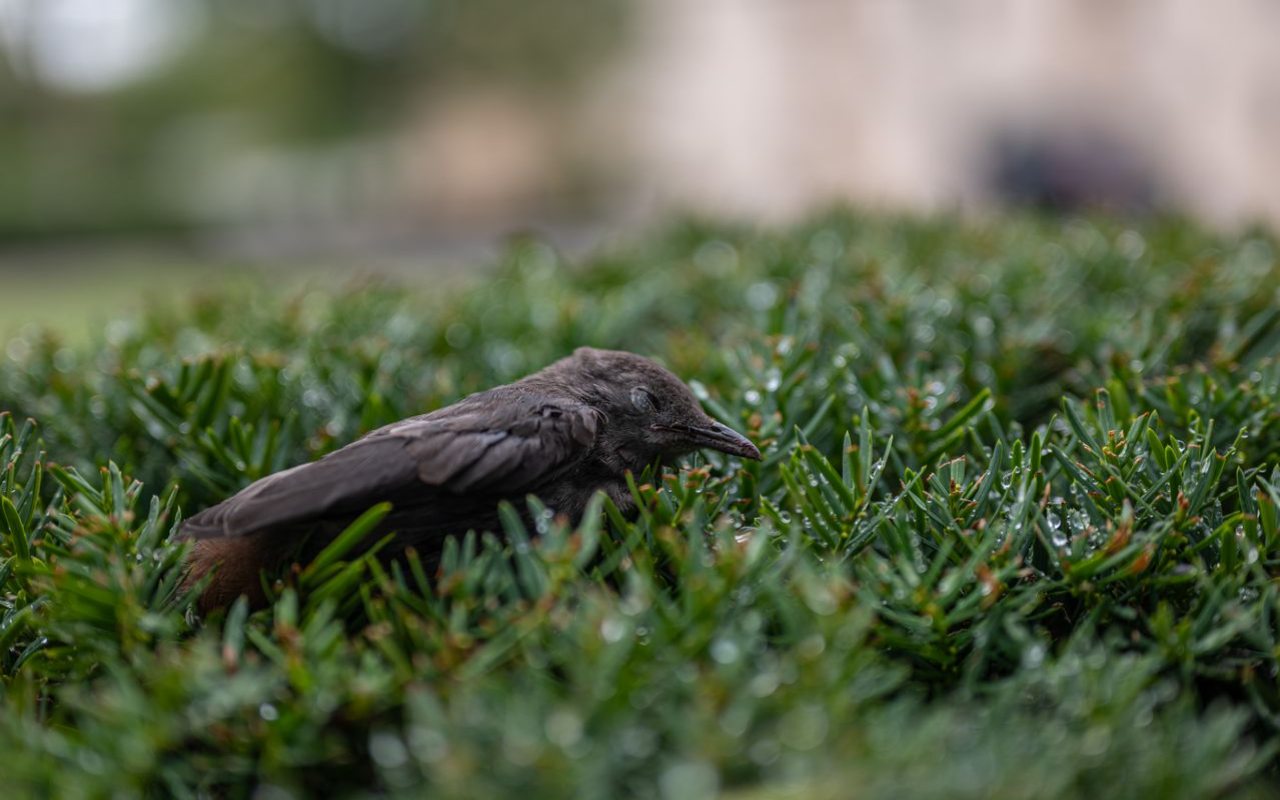
Learning how to treat a winter window strike victim can mean the difference between life and death for a stunned backyard songbird. If a bird hit my window and is still alive during freezing temperatures and heavy snow, the stakes are drastically raised, turning a standard collision into an immediate race against hypothermia and neighborhood predators.
When a bird hits your glass in the dead of winter, you need to act quickly, calmly, and with the right setup. Here is a battle-tested protocol gathered from wildlife rehabilitators and seasoned backyard birders to give your visitor the best chance at survival.
Immediate Steps in the Snow: Securing the Bird Safely
Finding a bird motionless beneath your window on a freezing day demands fast intervention. In warm weather, a bird might sit stunned in the grass for twenty minutes and fly away, but winter snow saps body heat within minutes. Unconscious or disoriented birds are also completely defenseless against prowling outdoor cats, accipiter hawks, and corvids looking for an easy meal.
Before you step outside, grab a clean, dry pair of lightweight gardening gloves or a small, soft towel. Approach the bird quietly from behind, moving low and slow so you do not cause a sudden panic flutter that could worsen internal injuries. Gently drop the cloth over the bird to block its vision, which instantly helps lower its stress levels and heart rate.
Cup your hands around the towel-wrapped bird securely without squeezing its chest. Birds lack a diaphragm and must expand their entire rib cage to breathe, so tight gripping can easily suffocate them. Move indoors immediately out of the wind and cold.
Setting Up a Dark and Warm Recovery Box
A proper recovery environment must be dark, quiet, warm, and secure. A standard cardboard shoebox or a small shipping box with high sides works best for almost every common backyard species. Punch several pencil-sized ventilation holes through the lid and sides before you place the bird inside so you do not shake the box later.
Prepare the inside of the box with the following essentials:
- A folded paper towel or clean washcloth lining the bottom to give the bird secure traction.
- A loosely rolled washcloth shaped into a small donut nest to keep an unsteady bird upright.
- A secure lid fastened with a piece of painter tape to prevent sudden indoor escapes.
Place the box in an undisturbed, temperature-controlled room away from family activity, drafts, and household pets. Keep the room quiet, and resist the urge to check under the lid every few minutes. Darkness acts as a natural sedative for wild birds, allowing swelling in the brain to subside without sensory overload.
Supplemental heat is critical in winter, but it must be applied with extreme caution. Place a heating pad set to the absolute lowest setting underneath only one half of the cardboard box. This gradient allows the bird to shift away from the warmth if it begins to overheat.
Critical Mistakes to Avoid During Backyard First Aid
Well-meaning rescuers often do more harm than good by trying to nurse wild birds back to health with food and water. A concussed bird has compromised swallowing reflexes and a poor sense of balance. Offering liquid from a dropper, spoon, or open bowl frequently causes aspiration, sending fluid straight into the lungs and causing fatal pneumonia.
Never force any of the following items on a collision victim:
- Sugar water, honey mixtures, or commercial electrolyte solutions dripped onto the beak.
- Bread crumbs, seeds, suet crumbles, or mealworms placed inside the recovery box.
- Open saucers or bowls of water that the bird could fall into and wet its feathers.
Do not bring the bird into direct contact with extreme heat sources like radiator grates, wood stoves, or high-blast hair dryers. Rapid temperature swings create thermal shock, stressing a cardiovascular system already working overtime to handle head trauma. Keep the room at standard household room temperature between 68 and 72 degrees Fahrenheit.
Avoid stroking the feathers, talking to the bird, or passing it around to family members. Wild birds do not perceive human touch as comforting; they view handling as an imminent predator attack. True kindness means closing the lid, stepping away, and giving the bird total silence to recuperate.
How and When to Attempt a Safe Release
Give the bird between one and two hours of uninterrupted quiet in the warm recovery box. Listen carefully outside the closed room for sounds of fluttering, scratching, or active movement against the cardboard. Vigorous activity inside the box is usually the best indicator that the initial concussion has cleared and normal reflexes have returned.
Carry the entire sealed box outdoors to a sheltered spot in your yard, ideally near dense evergreen shrubs or brush piles. Do not simply toss the bird into the air, as it may drop like a stone if its depth perception is still compromised. Instead, place the box on the ground, remove the tape, and fold open the lid.
Watch the bird closely as it exits and look for these vital behavioral signs:
- Strong, level flight into a nearby tree branch or protective hedge canopy.
- Symmetrical wing beats with both wings extending and folding cleanly against the body.
- Alert head posture with clear, fully open eyes and no persistent head tilt.
If the bird hops out but cannot fly, or if it remains completely motionless inside the box after two hours, close the lid securely. At this point, the bird is dealing with more severe internal trauma, broken bones, or a detached retina.
If you are located in the United States, use the Animal Help Now Emergency Finder to locate a licensed wildlife rehabilitator in your immediate area for an emergency intake.
For international or Canadian audiences, report the strike data and seek regional emergency assistance via the FLAP Canada Emergency Rescue Guide. the lid securely.
At this point, the bird is dealing with more severe internal trauma, broken bones, or a detached retina. Use a site like Animal Help Now to locate a licensed wildlife rehabilitator in your immediate area and arrange for an emergency intake.
Winter Proofing Your Windows to Prevent Future Strikes
Once your patient is safe, take proactive steps to fix the hazard that caused the strike in the first place. Winter collisions usually happen because clear glass reflects bare tree canopies, open sky, or indoor house plants. Furthermore, feeding stations placed in the middle zone between five and twenty-five feet from glass create a dangerous runway where startled birds reach full flying speed right before impact.
Apply these proven window deterrents to stop future collisions:
- Exterior vertical paracord curtains spaced exactly two inches apart across the entire glass surface.
- Exterior tempera paint patterns, window decals, or tape grid lines. While older guidelines permitted a looser alignment, modern field research hosted by the American Bird Conservancy Glass Collisions Program proves that a tight 2×2 inch grid is the current best-practice standard to protect smaller bird species like hummingbirds and kinglets.
- Full exterior insect screens that eliminate external reflections and cushion collisions.
- Bird feeders moved either within three feet (one meter) of the glass or pushed back beyond thirty feet.
Placing feeders within three feet sounds counterintuitive to many backyard birders, but it is one of the most effective safety tactics available. When birds flush from a feeder mounted directly on or right beside the pane, they simply cannot build up enough momentum to injure themselves.
By combining smart feeder placement with tight, external surface markers, you can keep your winter backyard both lively and safe for your neighborhood flock.